
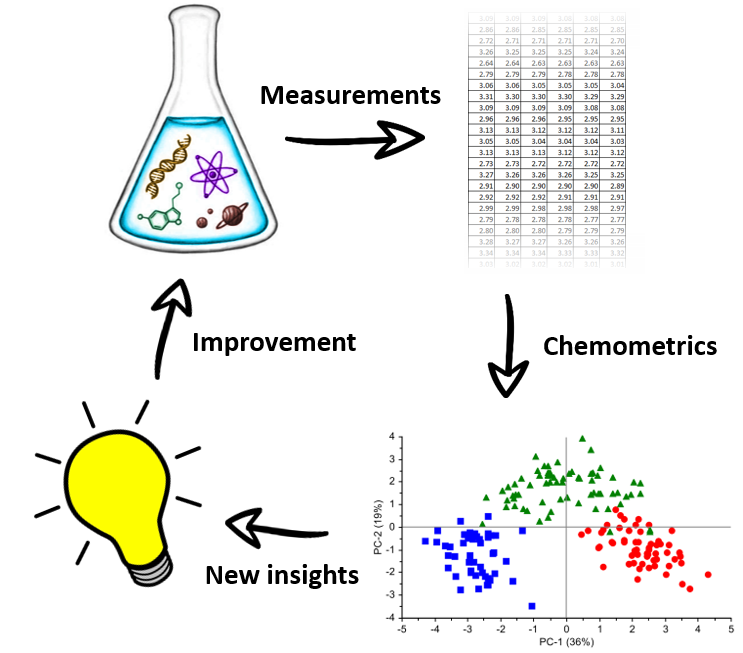
Although continuing technical advances in analytical chemistry allow us to measure complex data with relative ease, analyzing such data is a field of science on its own. Fully exploiting the valuable information you were (or were not) looking for from measured data is exactly the expertise we have at the department for chemometrics. We focus on the development of new or improved data analysis methods, but also on the application of established methods on new types of measurements. Chemometrics finds many practical applications, including but not limited to food safety, healthcare, industrial processing and sustainability. If you would like to contribute to such work, check our website and/or contact us for more information on current projects and internship subjects!
keywords: data science handheld spectroscopy HPLC hyperspectral imaging Mass spectroscopy NMR Optical spectroscopy statistics
The transition towards a circular society requires us to design new materials and chemistries. This grand challenges requires radically new ways of doing chemical research.
To address this challenge, the Big Chemistry Robotlab uses robots and artificial intelligence to accelerate the discovery of complex molecular systems and formulations for biomedicine and materials science.
We focus strongly on finding new ways to study, quantify and understand how molecules interact with each other. Depending on the project, there is a more academic focus, or close collaboration with industrial partners.
Currently, the Robotlab is focusing on 3 key questions:
These questions can only be answered by a diverse team of researchers at the interface of chemistry, engineering, biotechnology and AI. We therefore welcome BSc. and MSc. students from all of these backgrounds, either individually or as teams. For more info, reach out to william.robinson@ru.nl and/or mathijs.mabesoone@ru.nl.
keywords: data science handheld spectroscopy HPLC ion mobility literature analysis material science meta-analysis/regression modelling in R omics Optical microscopy Optical spectroscopy Rheology statistics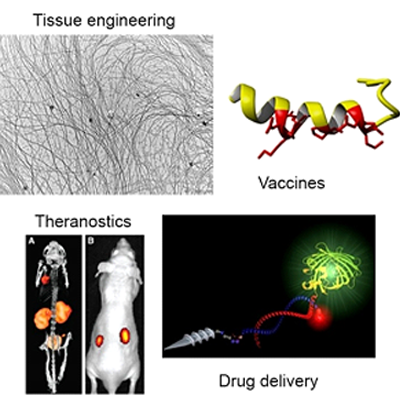
Peptides display many different characteristics, both structural and functional, based on their amino acid sequence and secondary conformation. In the bio-organic chemistry group we synthesize peptides and try to manipulate their structure and function. These peptides form the building blocks to create new materials for tissue engineering and synthetic vaccines. Moreover, peptides are employed in our group for the design of molecules to diagnose and treat cancer by specifically delivering drugs to diseased cells.
keywords: Cell culture Electron microscopy Flow cytometry HPLC Mass spectroscopy NMR Optical microscopy Optical spectroscopy Rheology
What is your blood group? A, B, or O? Did you know that this is determined by complex sugar molecules called glycans? Glycans cover the suface of every cell in the body. They are composed of different carbohydrates that assemble into a dazzling amount of structurally diverse sugar chains. Next to constituting the blood groups, glycans regulate immune recognition and instruct the intestinal microbiome. Moreover, glycan alterations are involved in every major disease.
Our lab uses gene editing (CRISPR) to control the glycan structures that cells produce to build so called cell-based glycan arrays, with each cell presenting only a specific glycan structure. This enables the production of defined glycans that are applied to modulate the immune system and the gut microbiome. Furthermore, the cell-based glycan array allows us to engineer “diseased” glycans and to recapitulate their role in pathological processes such as inflammation and autoimmunity. Ultimately, our aim is to develop novel glycan-based therapies that reduce inflammation and foster a healthy gut microbiome.
keywords: Cell culture CRISPR/Cas9 Flow cytometry gel electrophoresis immunology PCR post-translational modification Protein expression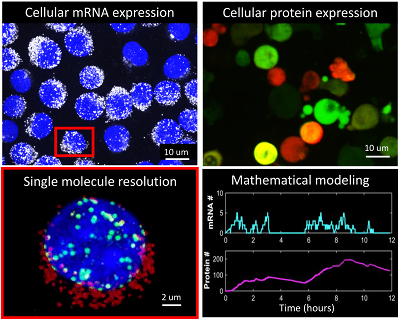
Why do two identical cells look different? Cell-to-cell variability (i.e. noise) in gene expression leads to large differences in mRNA and protein levels in cells. This variability can hamper the treatment of diseases such as HIV and cancer. Due to the architectural complexity of a cell a multitude of factors can be identified that heavily influence reaction dynamics, causing gene expression to deviate from predictable behavior. We combine single-molecule and time lapse imaging with cell-free biochemistry approaches to discern key physical, kinetic, and gene circuit-based factors that determine the outcome of cellular reactions at a single-cell level.
keywords: antibodies Cell culture CRISPR/Cas9 Flow cytometry gel electrophoresis gene editing immunohistochemistry modelling in R Optical microscopy PCR Protein expression proteins RNA simulations statistics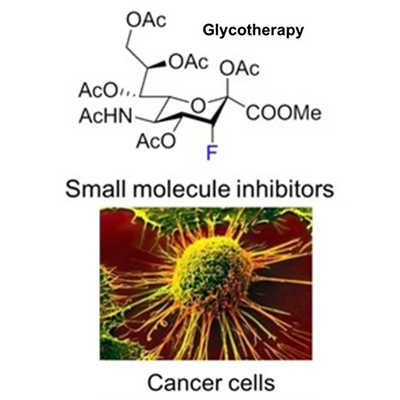
Carbohydrates are the most abundant biomolecules on earth. They play an essential role in biology as a source of energy and regulate many biological processes. We develop new chemistry to synthesize carbohydrate molecules with a variety of applications. The main topics and projects in the group are listed below. Depending on the project we are able to host chemistry, biology or molecular life science internships. Some of the projects are in collaboration with partners from industry.
Stereoselective glycosylation reactions: We develop new chemical methodology to prepare complex carbohydrates via stereoselective glycosylation reactions. To this end, we also study the reaction mechanism of these reactions.
Carbohydrates as drugs: We design and synthesize carbohydrate based drugs toward the treatment of cancer, pathogenic infections and immune deficiencies. Furthermore, we perform cellular tests to evaluate the biological activity of the molecules that we prepare.
Carbohydrate food ingredients and allergies: We synthesize carbohydrate food ingredients and study their health benefits and allergy profiles.
Carbohydrate based personal care products: We design, synthesize and test carbohydrate molecules for the personal care application (cosmetics etc).
If you are interested in one or more of these projects, feel free to contact us for more information
keywords: Cell culture Flow cytometry HPLC Mass spectroscopy NMR Optical microscopy Optical spectroscopy Protein expression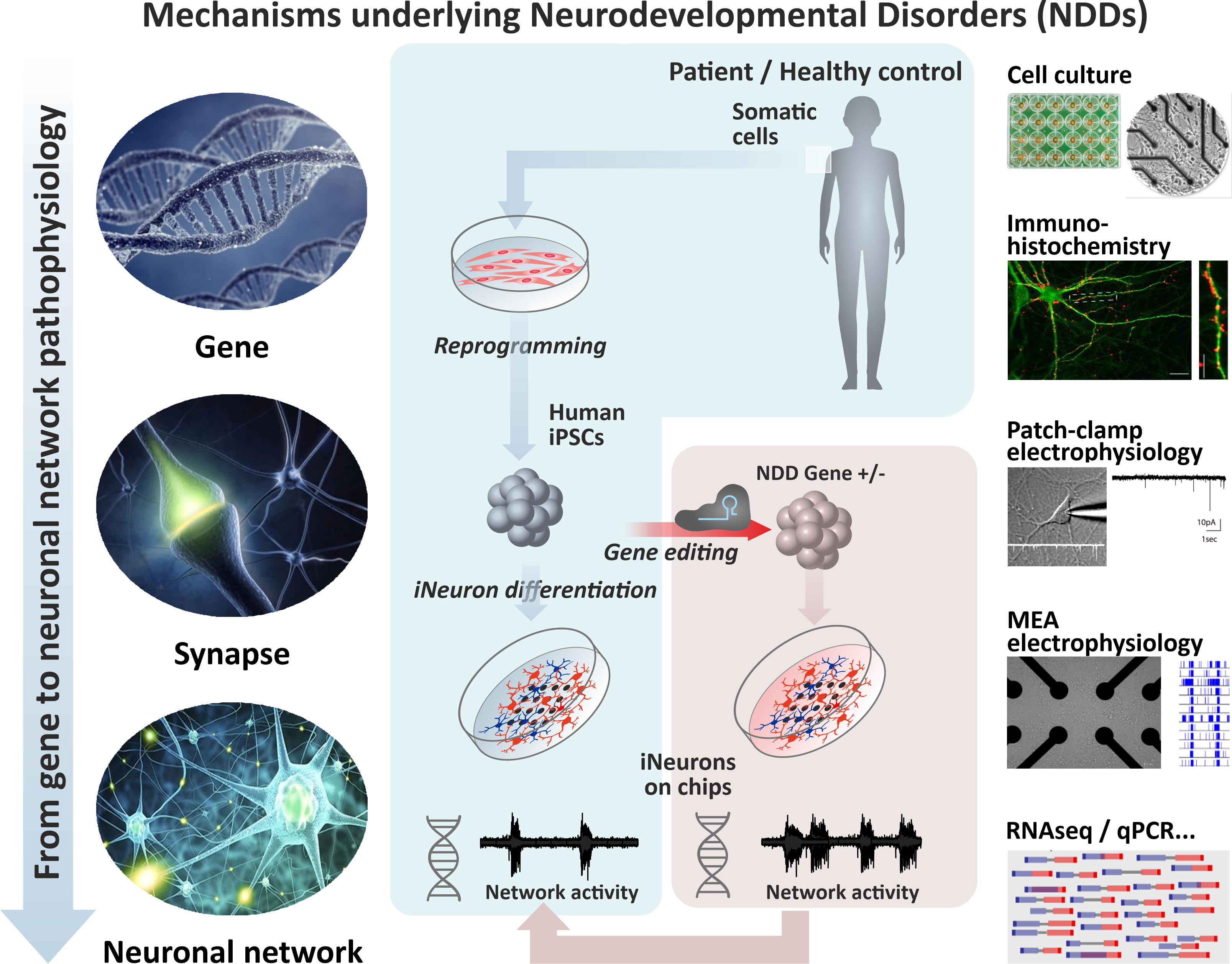
In many neurodevelopmental disorders, including Intellectual Disability (ID) or Schizophrenia, (risk) gene mutations have been identified that directly or indirectly alter neuronal maturation, signaling and neuronal network organization.
In our group for "Cellular Neurophysiology" at the CNS dept, Radboudumc, we are focussing on mutations of epigenetic modifiers that have been found to be causative for ID or Schizophrenia in patients. We aim to reveal the molecular and cellular mechanisms leading to neuronal network dysfunction and to identify new potential targets for therapy.
To this end we make use of neuronal cultures derived from human induced pluripotent stem cells (hIPSCs) obtained from healthy subjects as well as from patients. For our research we combine molecular, neuroanatomical, electrophysiological in vitro techniques (from single cell patch clamp over paired recordings to multielectrode array recordings) in order to reveal the link between gene and neuronal network phenotypes. Internships will be fully integrated in this interdisciplinary research.
keywords: Cell culture CRISPR/Cas9 immunohistochemistry multielectrode array patch Clamp PCR Protein expression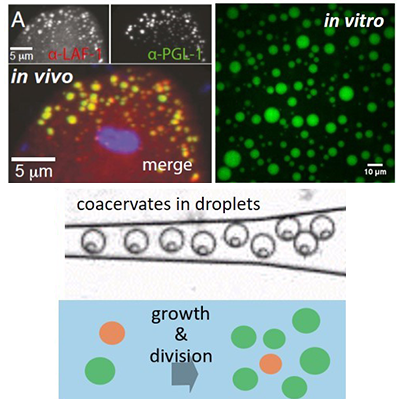
How did the first cell form? In the Soft Interfaces group, we aim to understand how a complex system like a living cell could have emerged from simple organic molecules. By self-assembly of peptides, nucleotides and sugars into liquid coacervate droplets, we make synthetic organelles that grow, fuse, split, and act as microreactors for chemical reactions. Many living cells still bear marks of these coacervate droplets in the form of membraneless organelles. In this case, we use a biophysical chemistry approach to investigate what their function is in cell organization.
keywords: (energy) systems analysis biomarker Chemical fate and effect modelling data science Electron microscopy gel electrophoresis HPLC laser spectroscopy literature analysis Mass spectroscopy material science NMR nonlinear microscopy Optical microscopy Optical spectroscopy particle imaging PCR Protein expression proteins RNA solid state NMR ultrafast spectroscopy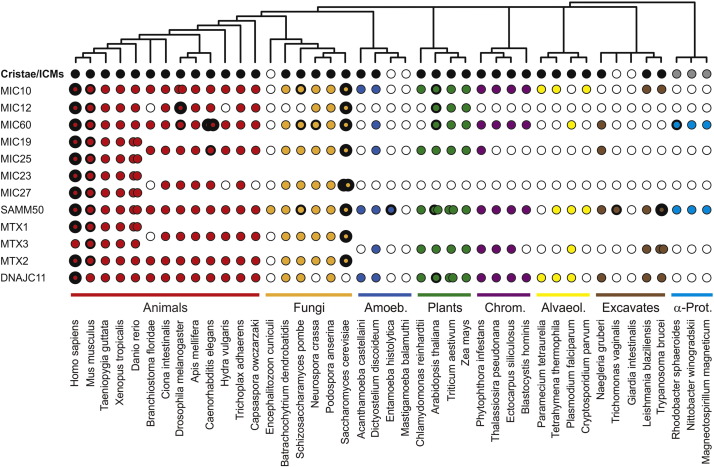
In Martijn Huynen's group at the CMBI we exploit molecular 'omics data to
predict the function of proteins, their interaction in complexes and pathways and their evolution. We focus on biomedically relevant systems like Plasmodium, the mitochondrion and the immune system. We develop methods for 'omics data analysis and collaborate with experimental groups to analyze their data.
We offer internships in the analysis of molecular 'omics data for students with a MLS, Bio, or Medical Biology background. Doing of the course MOL074, Comparative Genomics is highly recommended to an in internship, but can also be done as part of the internship.
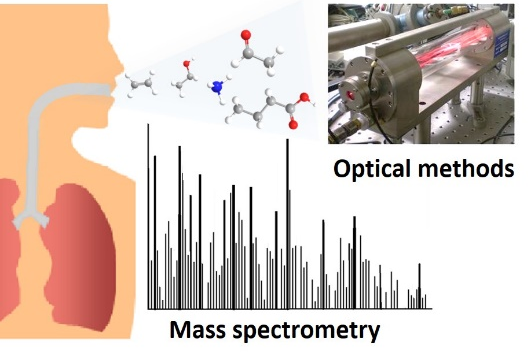
Our group develops and utilizes different detection techniques based on laser
spectroscopy and (real-time) mass spectrometry for monitoring volatile compounds. We perform research in a broad range of applications, from environmental to analysis of biomarkers in human breath. Some of the projects are in collaboration
with colleagues from other departments and/or the academic hospital. We can host physics, science, chemistry, biomedical or molecular life science internships.
Non-invasive detection of biomarkers in human breath: we
develop new methodologies to detect and monitor biochemical processes
in the human body via untargeted and targeted biomarkers in exhaled breath. We combine multivariate analysis tools to relate them to health (diet, exercise, exposure) and diseased status (cancer, infections, etc.).
Sniffing the chemical language of pathogens:We analyze volatile metabolites produced by pathogens as infection-specific biomarkers.
Plasma diagnostics
using spectroscopy: We design, develop and utilize a broadband absorption spectrometer for analyzing discharge plasmas. It is an applied research in the lab, well balanced between physics and chemistry combined with computational modeling and simulation.
Please check our website and fell free to contact us for more information on
current projects and internships.
The Life Science Trace Detection Laboratory (TDLab) focuses on reliable detection and quantification of volatile compounds in complex gas mixtures. We develop and apply techniques and analytical methodologies using state-of-the-art mid-infrared laser-based spectroscopy (e.g. with broadband supercontinuum sources and custom-made Fourier transform spectrometers) and high-resolution mass spectrometry (e.g. PTR-ToF-MS) for a wide range of gas concentrations (from sub ppb level to ppm and percentages).
We aim to develop gas sensing systems that can be deployed in the field for various applications, such as biomarkers detection for precision medicine, fruit quality monitoring, dairy farming, air quality monitoring, process control, plasma diagnostics, etc. Our lab is also open to external parties for analysis using our state-of-the-art instrumentation.
The group is part of the Department of Spectroscopy and Catalysis within the Institute for Molecules and Materials (IMM), bridging chemistry and instrumental physics. We participate in the IMM research themes Structure and Dynamics of Molecules and Chemistry of Complex Systems
 Nanomedicinal approaches can be utilized to overcome existing challenges in medicine that cannot be addressed by traditional pharmaceutical approaches. Macromolecules are an essential component of nanomedicine, not only for the construction of nano-devices but also for the decoration of such devices with chemical functionalities.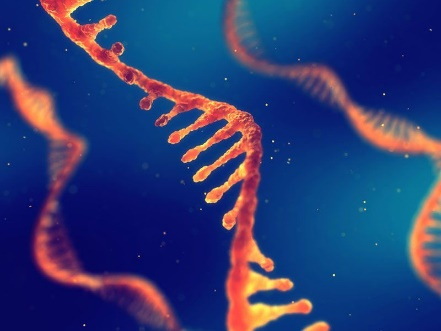
Antibiotic resistance is a major problem in medicine and poses a threat to global human health. To better understand the molecular processes underlying resistance and ultimately find a solution to this problem we synthesize and apply small molecule tools. We use multistep organic synthesis to develop fluorogenic substrates for key enzymes involved in the emergence of resistance and apply them to live cells to unravel the molecular mechanisms that lead up to resistance. Furthermore, we have a special interest in the roles of nucleic acids (RNA and DNA) in the development of antibiotic resistance. We synthesize potential antibiotic molecules that target these nucleic acids in bacteria. Ultimately, we use our findings to device new molecular strategies to combat the antibiotic crisis.
keywords: Cell culture gel electrophoresis HPLC Mass spectroscopy NMR Optical microscopy Optical spectroscopy PCR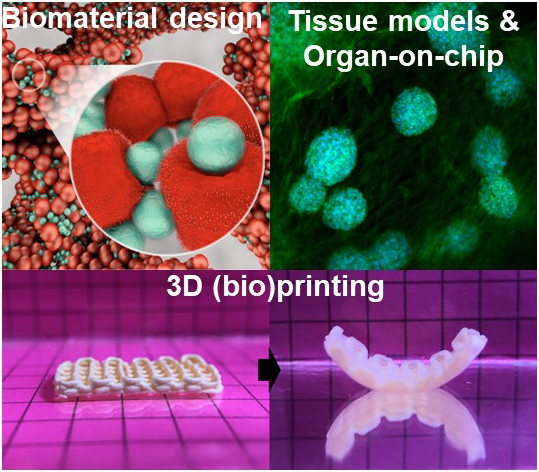
Are you excited about research at the interface of materials, chemistry, biology and medicine? We are a multidisciplinary and international group with diverse scientific and clinical backgrounds. We strive to:
Interested to learn more about current projects? Shoot us an email at mani.diba@radboudumc.nl
keywords: Cell culture Rheology
Our structural bioinformatics group at the CMBI is led by Li Xue and Hanka
Venselaar. Our research interests focus on bridging artificial intelligence (AI) and structural biology to better understand the molecular basis of diseases and to rationalize drug design. We use information obtained from available structures,
homology models, and other data-sources in order to, for example, interpret variations, improve experimental design, drug docking, etc.
One of our main projects focusses on developing AI methods for better cancer vaccine design. A combination of Deep Learning and Integrative Modelling is used to predict MHC-peptide-T cell receptor complexes. We welcome talented students to join our endeavor.
We offer internships for Chem/MLS/Biol students (both Ma and Ba) either with a clear interest and understanding of protein folding or with an enthusiasm of AI.
An internship without programming experience is possible in the field of 3D modelling and mutant analysis. The AI project requires at least a decent basic level of programming skills. Internships, also in collaboration with other departments, are possible in many different fields.

The Rutjes group focuses on the development of new synthetic methodology, mainly focused on the synthesis of small organic molecules with specific biological activity. This includes projects on chemical reactions in continuous (photochemical) microreactors, medicinal chemistry projects to prepare lead compounds for specific drug targets, and asymmetric synthesis methods to prepare enantiopure products.
keywords: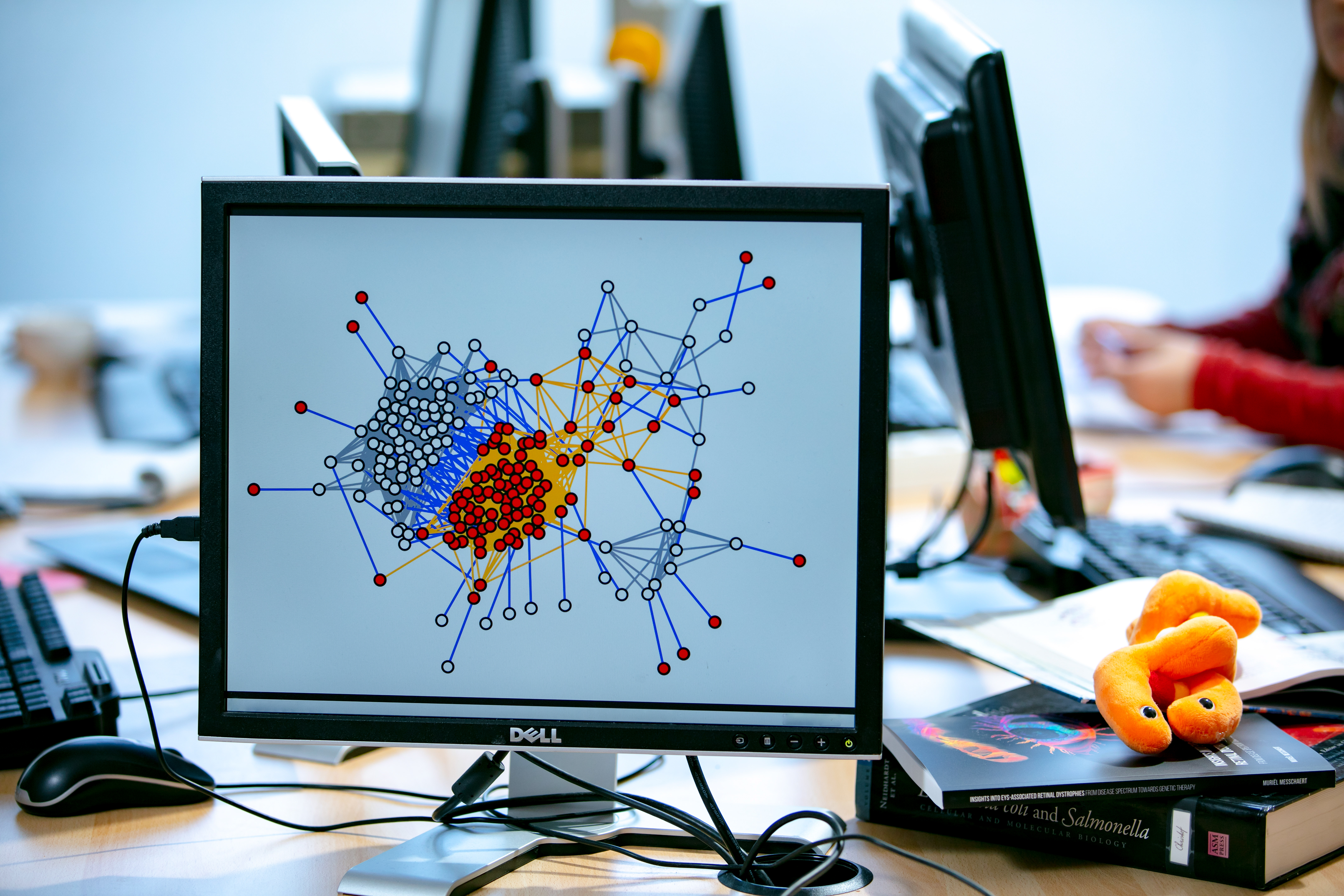 In Peter-Bram ’t Hoen’s group at the Center for Molecular and Biomolecular Informatics, we develop computational approaches to advanced personalized medicine. We integrate molecular -omics (genome sequencing, RNA-seq, proteomics, metabolomics) and clinical data to study rare disease mechanisms, identify drug targets, understand heterogeneity in disease course and onset and stratify patients for therapies.