
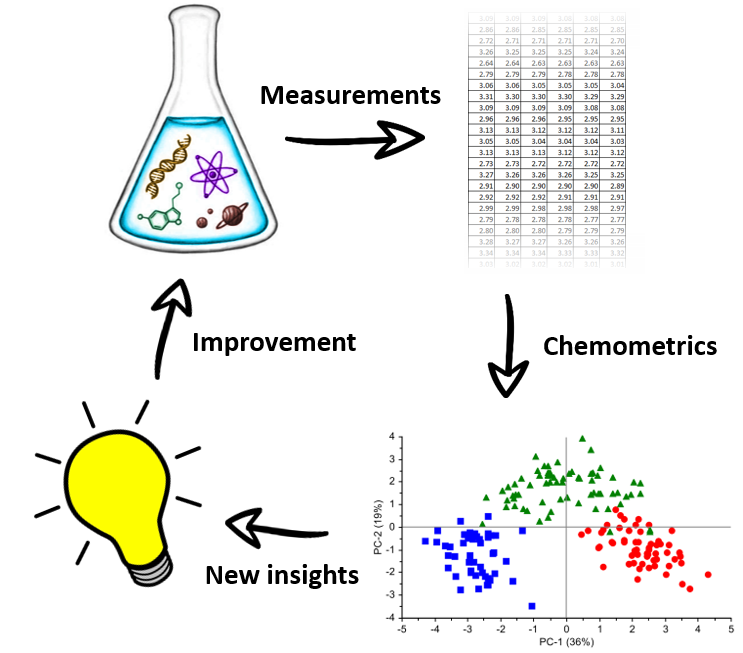
Although continuing technical advances in analytical chemistry allow us to measure complex data with relative ease, analyzing such data is a field of science on its own. Fully exploiting the valuable information you were (or were not) looking for from measured data is exactly the expertise we have at the department for chemometrics. We focus on the development of new or improved data analysis methods, but also on the application of established methods on new types of measurements. Chemometrics finds many practical applications, including but not limited to food safety, healthcare, industrial processing and sustainability. If you would like to contribute to such work, check our website and/or contact us for more information on current projects and internship subjects!
keywords: data science handheld spectroscopy HPLC hyperspectral imaging Mass spectroscopy NMR Optical spectroscopy statistics
The transition towards a circular society requires us to design new materials and chemistries. This grand challenges requires radically new ways of doing chemical research.
To address this challenge, the Big Chemistry Robotlab uses robots and artificial intelligence to accelerate the discovery of complex molecular systems and formulations for biomedicine and materials science.
We focus strongly on finding new ways to study, quantify and understand how molecules interact with each other. Depending on the project, there is a more academic focus, or close collaboration with industrial partners.
Currently, the Robotlab is focusing on 3 key questions:
These questions can only be answered by a diverse team of researchers at the interface of chemistry, engineering, biotechnology and AI. We therefore welcome BSc. and MSc. students from all of these backgrounds, either individually or as teams. For more info, reach out to william.robinson@ru.nl and/or mathijs.mabesoone@ru.nl.
keywords: data science handheld spectroscopy HPLC ion mobility literature analysis material science meta-analysis/regression modelling in R omics Optical microscopy Optical spectroscopy Rheology statistics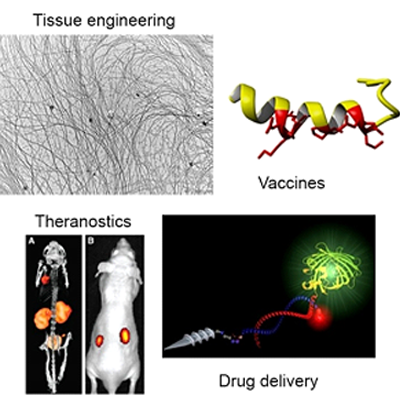
Peptides display many different characteristics, both structural and functional, based on their amino acid sequence and secondary conformation. In the bio-organic chemistry group we synthesize peptides and try to manipulate their structure and function. These peptides form the building blocks to create new materials for tissue engineering and synthetic vaccines. Moreover, peptides are employed in our group for the design of molecules to diagnose and treat cancer by specifically delivering drugs to diseased cells.
keywords: Cell culture Electron microscopy Flow cytometry HPLC Mass spectroscopy NMR Optical microscopy Optical spectroscopy Rheology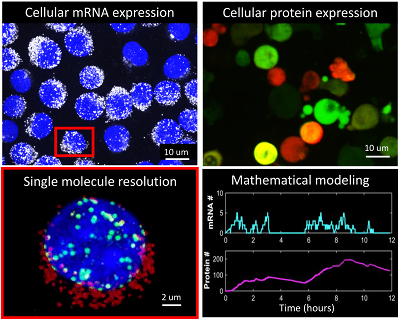
Why do two identical cells look different? Cell-to-cell variability (i.e. noise) in gene expression leads to large differences in mRNA and protein levels in cells. This variability can hamper the treatment of diseases such as HIV and cancer. Due to the architectural complexity of a cell a multitude of factors can be identified that heavily influence reaction dynamics, causing gene expression to deviate from predictable behavior. We combine single-molecule and time lapse imaging with cell-free biochemistry approaches to discern key physical, kinetic, and gene circuit-based factors that determine the outcome of cellular reactions at a single-cell level.
keywords: antibodies Cell culture CRISPR/Cas9 Flow cytometry gel electrophoresis gene editing immunohistochemistry modelling in R Optical microscopy PCR Protein expression proteins RNA simulations statistics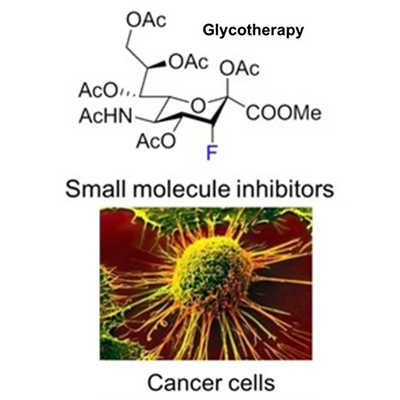
Carbohydrates are the most abundant biomolecules on earth. They play an essential role in biology as a source of energy and regulate many biological processes. We develop new chemistry to synthesize carbohydrate molecules with a variety of applications. The main topics and projects in the group are listed below. Depending on the project we are able to host chemistry, biology or molecular life science internships. Some of the projects are in collaboration with partners from industry.
Stereoselective glycosylation reactions: We develop new chemical methodology to prepare complex carbohydrates via stereoselective glycosylation reactions. To this end, we also study the reaction mechanism of these reactions.
Carbohydrates as drugs: We design and synthesize carbohydrate based drugs toward the treatment of cancer, pathogenic infections and immune deficiencies. Furthermore, we perform cellular tests to evaluate the biological activity of the molecules that we prepare.
Carbohydrate food ingredients and allergies: We synthesize carbohydrate food ingredients and study their health benefits and allergy profiles.
Carbohydrate based personal care products: We design, synthesize and test carbohydrate molecules for the personal care application (cosmetics etc).
If you are interested in one or more of these projects, feel free to contact us for more information
keywords: Cell culture Flow cytometry HPLC Mass spectroscopy NMR Optical microscopy Optical spectroscopy Protein expression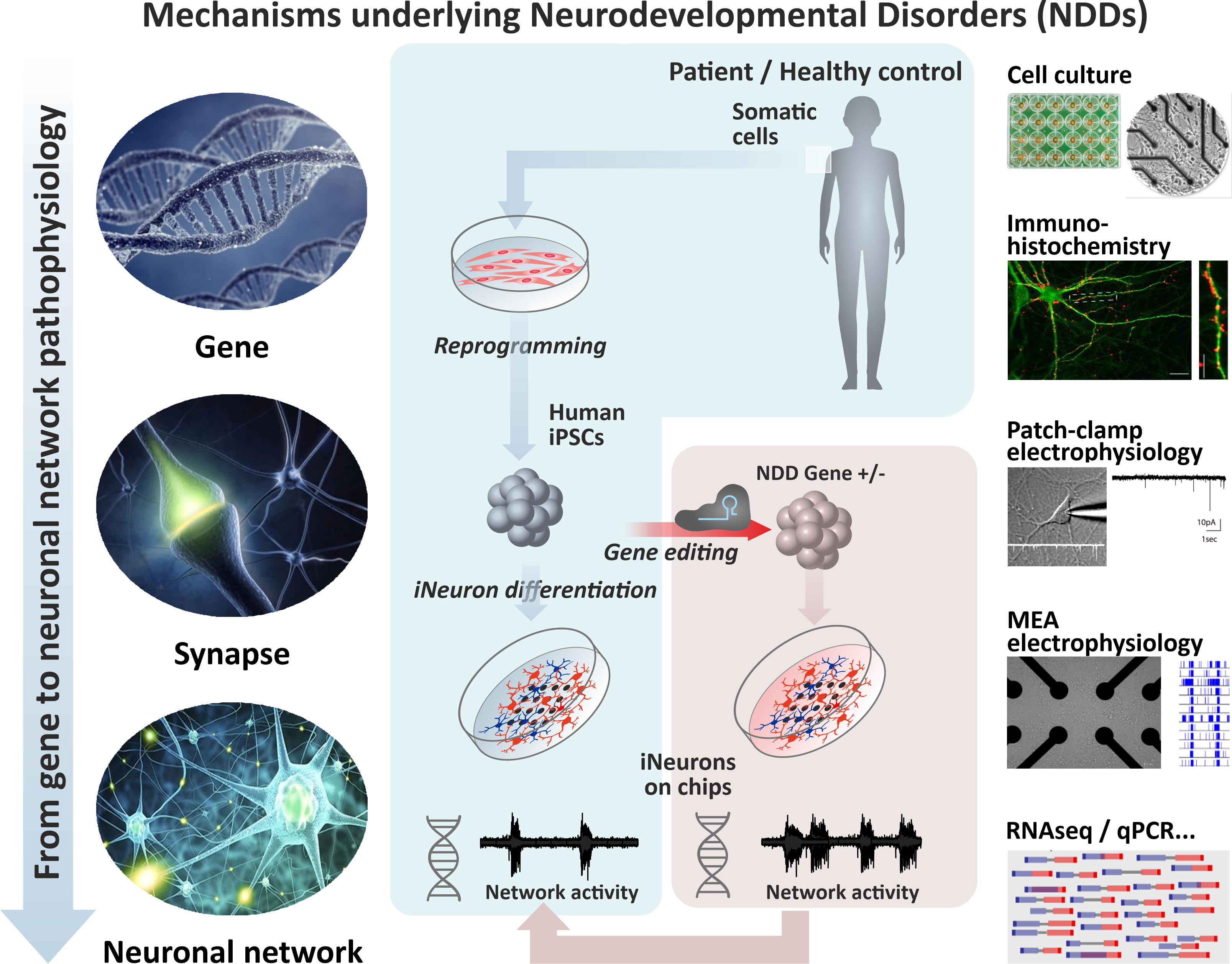
In many neurodevelopmental disorders, including Intellectual Disability (ID) or Schizophrenia, (risk) gene mutations have been identified that directly or indirectly alter neuronal maturation, signaling and neuronal network organization.
In our group for "Cellular Neurophysiology" at the CNS dept, Radboudumc, we are focussing on mutations of epigenetic modifiers that have been found to be causative for ID or Schizophrenia in patients. We aim to reveal the molecular and cellular mechanisms leading to neuronal network dysfunction and to identify new potential targets for therapy.
To this end we make use of neuronal cultures derived from human induced pluripotent stem cells (hIPSCs) obtained from healthy subjects as well as from patients. For our research we combine molecular, neuroanatomical, electrophysiological in vitro techniques (from single cell patch clamp over paired recordings to multielectrode array recordings) in order to reveal the link between gene and neuronal network phenotypes. Internships will be fully integrated in this interdisciplinary research.
keywords: Cell culture CRISPR/Cas9 immunohistochemistry multielectrode array patch Clamp PCR Protein expression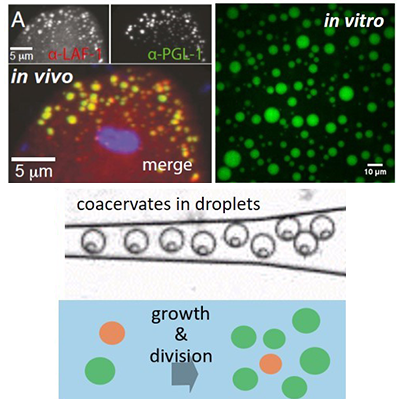
How did the first cell form? In the Soft Interfaces group, we aim to understand how a complex system like a living cell could have emerged from simple organic molecules. By self-assembly of peptides, nucleotides and sugars into liquid coacervate droplets, we make synthetic organelles that grow, fuse, split, and act as microreactors for chemical reactions. Many living cells still bear marks of these coacervate droplets in the form of membraneless organelles. In this case, we use a biophysical chemistry approach to investigate what their function is in cell organization.
keywords: (energy) systems analysis biomarker Chemical fate and effect modelling data science Electron microscopy gel electrophoresis HPLC laser spectroscopy literature analysis Mass spectroscopy material science NMR nonlinear microscopy Optical microscopy Optical spectroscopy particle imaging PCR Protein expression proteins RNA solid state NMR ultrafast spectroscopy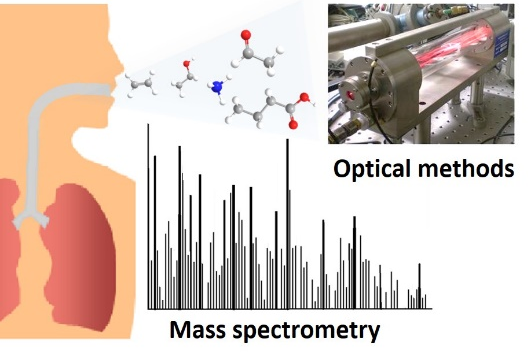
Our group develops and utilizes different detection techniques based on laser
spectroscopy and (real-time) mass spectrometry for monitoring volatile compounds. We perform research in a broad range of applications, from environmental to analysis of biomarkers in human breath. Some of the projects are in collaboration
with colleagues from other departments and/or the academic hospital. We can host physics, science, chemistry, biomedical or molecular life science internships.
Non-invasive detection of biomarkers in human breath: we
develop new methodologies to detect and monitor biochemical processes
in the human body via untargeted and targeted biomarkers in exhaled breath. We combine multivariate analysis tools to relate them to health (diet, exercise, exposure) and diseased status (cancer, infections, etc.).
Sniffing the chemical language of pathogens:We analyze volatile metabolites produced by pathogens as infection-specific biomarkers.
Plasma diagnostics
using spectroscopy: We design, develop and utilize a broadband absorption spectrometer for analyzing discharge plasmas. It is an applied research in the lab, well balanced between physics and chemistry combined with computational modeling and simulation.
Please check our website and fell free to contact us for more information on
current projects and internships.
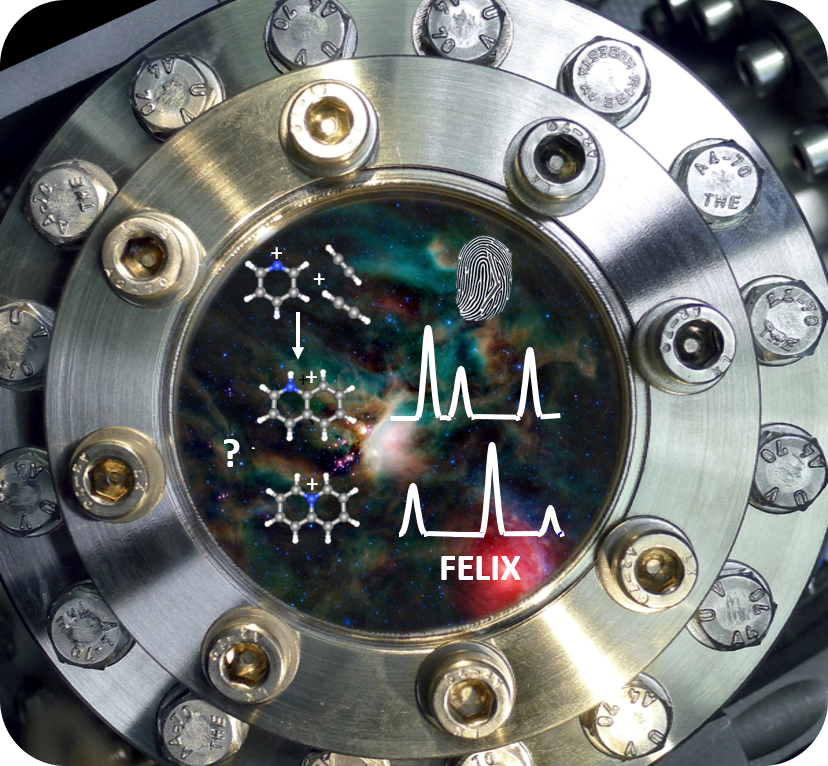 Our group develops and uses mass spectrometric techniques in combination with advanced infrared and terahertz spectroscopy. Our main scientific focus is in the field of astrochemistry. We aim to understand the chemical evolution in astrophysical environments, such as interstellar star-forming regions or (exo-) planetary atmospheres, by simulating their conditions in the laboratory. For this we apply infrared spectroscopy to obtain vibrational fingerprints of molecules to aid their identification in space. The spectroscopic information allows us to identify molecular structures within isomeric mixtures, and thus to unravel and to understand astrochemical reaction kinetics and networks in great detail both in the gas-phase or in ices.
keywords:
cryogenics
laser spectroscopy
lasers
Mass spectroscopy
quantum-chemical calculations
vacuum
Our group develops and uses mass spectrometric techniques in combination with advanced infrared and terahertz spectroscopy. Our main scientific focus is in the field of astrochemistry. We aim to understand the chemical evolution in astrophysical environments, such as interstellar star-forming regions or (exo-) planetary atmospheres, by simulating their conditions in the laboratory. For this we apply infrared spectroscopy to obtain vibrational fingerprints of molecules to aid their identification in space. The spectroscopic information allows us to identify molecular structures within isomeric mixtures, and thus to unravel and to understand astrochemical reaction kinetics and networks in great detail both in the gas-phase or in ices.
keywords:
cryogenics
laser spectroscopy
lasers
Mass spectroscopy
quantum-chemical calculations
vacuum
The Life Science Trace Detection Laboratory (TDLab) focuses on reliable detection and quantification of volatile compounds in complex gas mixtures. We develop and apply techniques and analytical methodologies using state-of-the-art mid-infrared laser-based spectroscopy (e.g. with broadband supercontinuum sources and custom-made Fourier transform spectrometers) and high-resolution mass spectrometry (e.g. PTR-ToF-MS) for a wide range of gas concentrations (from sub ppb level to ppm and percentages).
We aim to develop gas sensing systems that can be deployed in the field for various applications, such as biomarkers detection for precision medicine, fruit quality monitoring, dairy farming, air quality monitoring, process control, plasma diagnostics, etc. Our lab is also open to external parties for analysis using our state-of-the-art instrumentation.
The group is part of the Department of Spectroscopy and Catalysis within the Institute for Molecules and Materials (IMM), bridging chemistry and instrumental physics. We participate in the IMM research themes Structure and Dynamics of Molecules and Chemistry of Complex Systems
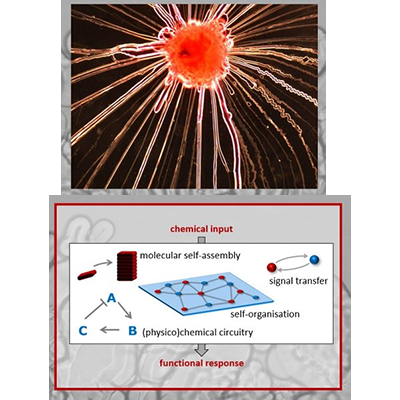
Turning supramolecular chemistry into life-like materials.
We build chemical systems that combine molecular self-assembly and chemical reactions in fascinating life-like behaviour such as growth, shape transformation, chemotaxis and signal transfer.
Currently, we are developing self-assemblies that organize themselves into wire-like structures – in a (primitive) analogy to the growth of slime mold wires. We aim to use these wires to grow a “chemical computer”, where the self-assembled wires “guide” either molecular or electric signals. Ultimately, we envision to use these wires in self-organizing device interfaces that “determine” the path of samples in lab-on-a-chip applications, or neuromorphic electronics that adapt upon growing new connections in the circuit (in analogy to neurons in the brain).
Our research involves a wide diversity of techniques and approaches, such as supramolecular chemistry, systems chemistry, synthesis, electrochemistry, microscopy, spectroscopy, building devices via 3D printing, automated image analysis, etc.
Currently, we have internship projects available on:
- Combining enzymatic reactions and self-assembly for chemical signal transfer along wires.
- Building and programming robotic devices to control the self-organization of our dynamic wire networks.
- Using electrochemistry for controlled assembly of dynamic, conductive connections in neuromorphic circuits.
- Design and synthesis of molecular building blocks for new concepts in out-of-equilibrium self-assembly to control the growth of the networks.
Depending on your preferences, we will design a project that suits your interest and background. For more info on our research and contact details, please check out our new website: www.korevaarlab.com.
 To reduce the impact of our society on global warming and the natural environment we are aiming to switch to the use of renewable energy sources. Currently, society is still dependent on fossil fuels both for energy (coal, natural gas, crude oil) but also for the production of synthetic chemicals (plastics, lubricants etc). One of the largest challenges for the energy transition is the storage of energy. Batteries form a part of the solution. Here at the magnetic resonance research center we investigate the next generation of battery materials. Using 7Li NMR we can for instance look at the mobility of lithium ions in solid electrolytes. We also study the effect of various treatments such as doping of the materials on its ion conductivity and relate that to the structural changes we can detect using NMR on a variety of nuclei. In the internship you can learn how to use a research grade NMR spectrometer and we can tailor your internship towards a more theoretical approach or a more engineering type of project where you can test battery assemblies. If you want to know more, visit our website or even better, talk to us, there always new and challenging projects running.
keywords:
Electrical Impedance Spectroscopy
NMR
solid state NMR
voltametry
To reduce the impact of our society on global warming and the natural environment we are aiming to switch to the use of renewable energy sources. Currently, society is still dependent on fossil fuels both for energy (coal, natural gas, crude oil) but also for the production of synthetic chemicals (plastics, lubricants etc). One of the largest challenges for the energy transition is the storage of energy. Batteries form a part of the solution. Here at the magnetic resonance research center we investigate the next generation of battery materials. Using 7Li NMR we can for instance look at the mobility of lithium ions in solid electrolytes. We also study the effect of various treatments such as doping of the materials on its ion conductivity and relate that to the structural changes we can detect using NMR on a variety of nuclei. In the internship you can learn how to use a research grade NMR spectrometer and we can tailor your internship towards a more theoretical approach or a more engineering type of project where you can test battery assemblies. If you want to know more, visit our website or even better, talk to us, there always new and challenging projects running.
keywords:
Electrical Impedance Spectroscopy
NMR
solid state NMR
voltametry
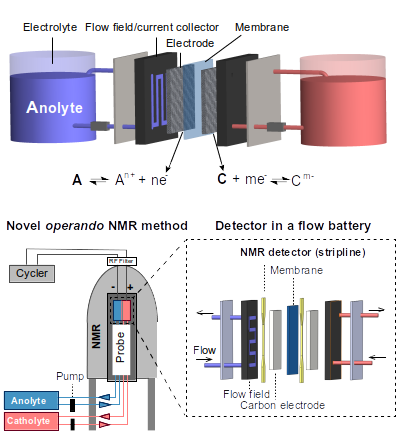
Large-scale energy storage is becoming increasingly critical to balance the intermittency between renewable energy production and consumption. Redox Flow Batteries (RFBs), based on inexpensive and sustainable redox-active materials, are promising storage technologies. A RFB consists of two tanks of redox-active electrolytes, one catholyte and one anolyte, and its capacity can be scaled up just by increasing the volume of the tanks. The electrolytes flow through an electrochemical cell where redox reactions happen. Due to this design, one of the distinct features of RFBs is the decoupling of their energy storage and power generation, which provides unique opportunities for in situ monitoring. We have developed in situ NMR metrologies to probe the electrolyte in the flow path or in the battery cell (Nature 2020, 579, 224).
Internship projects are available on various aspects of the operando NMR studies of flow batteries, and electrochemical ammonia synthesis or carbon dioxide reduction. These projects are interdisciplinary in nature. We work with colleagues in the Netherlands and across the globe on the following research topics:
Project 1. MRI of flow in advanced redox flow battery electrodes.
Project 2. Synthesizing and understanding redox-active organic molecules for redox flow batteries.
Project 3. Developing coupled benchtop NMR and EPR methods for studying redox flow batteries.
Project 4. Machine-learning analysis and optimization of redox flow batteries.
Project 5. Understanding Li nitridation for electrochemical ammonia synthesis by operando NMR
Project 6. Machine-learning force field calculation of reaction intermediates for Li-mediated ammonia synthesis
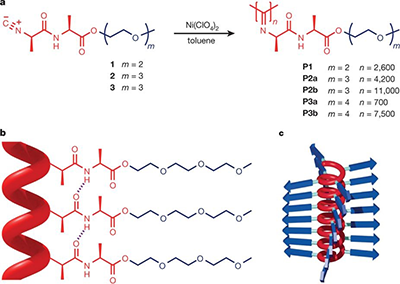
Life is supported by fibrous hydrogels: they are present inside our cells (cytoskeleton) and between them (extracellular matrix). Synthetic gels, typically have very different properties than gels of biological materials, such as actin, fibrin and collagen, and, therefore are often unsuited for biomedical applications.
In the Molecular Materials group, we develop synthetic materials that do behave like biological hydrogels. The research in our group follows two lines: gel design, e.g. a gel that becomes 10-fold stiffer by heating 1 °C and biological application of the gel, for instance as an advanced cell culture medium or even for medical applications.
For internships, we host students from Chemistry and Science (most often in gel design, analysis and modelling) as well as students from Molecular Life Sciences and Medical Biology (for biomedical studies and cell biology).
CURRENTLY, WE ARE LOOKING FOR STUDENTS FOR CELL CULTURE APPLICATIONS. Interested, shoot us an email: p.kouwer@science.ru.nl
keywords: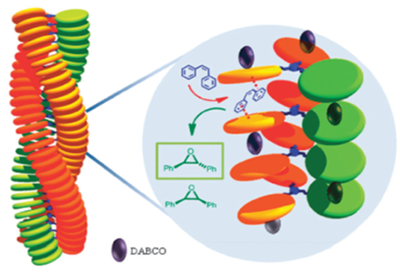
Molecular machines and motors in metal-based catalysis
Inspired by the complex working mechanisms of natural enzymes and biological motors and machines, our group develops supramolecular systems that can act as catalysts to convert (polymeric) substrates into desired products
with a high level of control.
In particular, we aim at developing a new technology to write, store, and
read information onto molecules, i.e. on single polymer chains, with the help of molecular machines that are inspired by the Turing
machine, hypothetical device proposed by the British mathematician Alan Turing in 1936 as
the general basis for the operation of a computer.
Data storage on polymer chains is highly relevant nowadays as it may
help solve the problem of handling the exponential growth of information
that is currently trafficking the internet.
Moreover, molecular data storage is expected to cost orders of magnitude less energy than conventional data storage in large data centers, making it a sustainable research target.
The group is working on the encoding of digital information into single polymer molecules in the form of chemical groups, such as (R,R)- and (S,S)-epoxides or (R)- and (S)-sulfoxides, which represent the digits 0 and 1. These are imprinted with the help of light-switchable catalytic machines that threads onto a polymer chain containing alkene double bonds or aryl sulfides. While moving along the chain the catalytic machines (ep)oxidize these functional groups (Figure). The enantioselectivity of the oxidation reactions is controlled by metal-containing catalysts of which the chirality can be switched by an attached Feringa-type molecular motor.
The research involves the synthesis of chiral cage compounds, light-switchable metal-containing catalysts and polymers, and the study of their properties with various techniques (NMR, IR, circular dichroism, UV-vis, fluorescence), threading experiments, and catalysis experiments, all focused on the writing of information.
 Nanomedicinal approaches can be utilized to overcome existing challenges in medicine that cannot be addressed by traditional pharmaceutical approaches. Macromolecules are an essential component of nanomedicine, not only for the construction of nano-devices but also for the decoration of such devices with chemical functionalities.
Antibiotic resistance is a major problem in medicine and poses a threat to global human health. To better understand the molecular processes underlying resistance and ultimately find a solution to this problem we synthesize and apply small molecule tools. We use multistep organic synthesis to develop fluorogenic substrates for key enzymes involved in the emergence of resistance and apply them to live cells to unravel the molecular mechanisms that lead up to resistance. Furthermore, we have a special interest in the roles of nucleic acids (RNA and DNA) in the development of antibiotic resistance. We synthesize potential antibiotic molecules that target these nucleic acids in bacteria. Ultimately, we use our findings to device new molecular strategies to combat the antibiotic crisis.
keywords: Cell culture gel electrophoresis HPLC Mass spectroscopy NMR Optical microscopy Optical spectroscopy PCR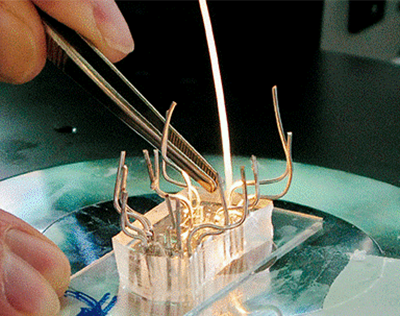
The ultimate aim of our research is to understand how life works and where it comes from. Research in our group is multidisciplinary and exploits microfluidic tools to create synthetic cells or to study complex reaction networkss. We have a strong interest in complex molecular systems and study how networks of chemical reactions create functional behavior like oscillations, switches or amplifiers. In effect, we try and construct molecular computers. In your internship you will have the opportunity to combine robotics, AI and high throughput experiments.
keywords: AI data science High throughput experiments Molecular computers Protein expression RNA Robotics synthetic cell Cooking, Looking & Tweezing Small Things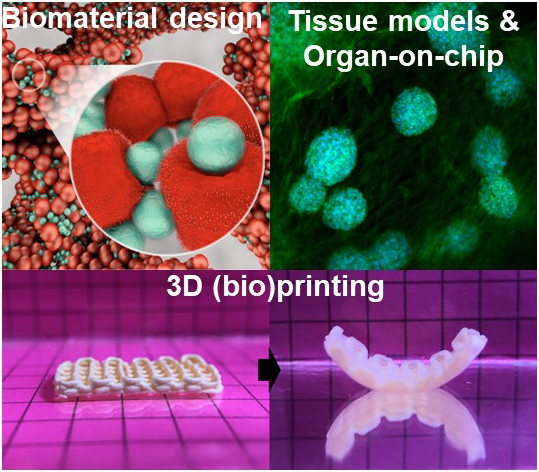
Are you excited about research at the interface of materials, chemistry, biology and medicine? We are a multidisciplinary and international group with diverse scientific and clinical backgrounds. We strive to:
Interested to learn more about current projects? Shoot us an email at mani.diba@radboudumc.nl
keywords: Cell culture Rheology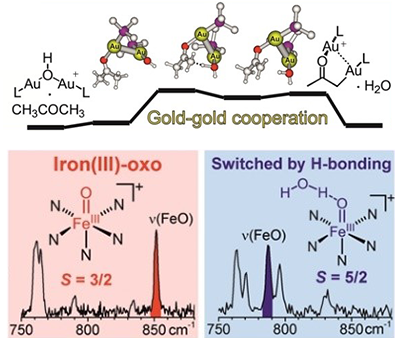
The Roithová group is studying and designing metal complexes to mediate efficient chemical transformations. We seek inspiration from enzymes that can make reactions selective and can use abundant reactants such as oxygen or CO2. By researching working principles of enzyme-inspired catalysts and by coupling these catalysts with photochemistry and electrochemistry we aim to develop more efficient chemical transformations and thereby to contribute to reducing the environmental impact of chemistry in the future.
keywords:
The Rutjes group focuses on the development of new synthetic methodology, mainly focused on the synthesis of small organic molecules with specific biological activity. This includes projects on chemical reactions in continuous (photochemical) microreactors, medicinal chemistry projects to prepare lead compounds for specific drug targets, and asymmetric synthesis methods to prepare enantiopure products.
keywords: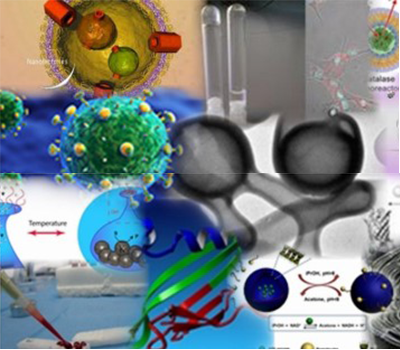
In nature, countless complex structures are known, and mimicking these structures can be a challenging task. How do you design a nano- or micro-system from the bottom up? Our goal is to design functional supramolecular structures and apply them to advance the field of nanomedicine.
Our group finds their inspiration in natural materials and processes. It is our aim to develop functional polymers, peptide and protein-based hybrid materials with biological activity. By using a variety of synthetic techniques, such as controlled polymerization, peptide synthesis and protein engineering methods. We furthermore mimic natural biological processes by compartmentalization and assembly of biocatalysts in polymeric capsules (polymersomes) for the design of synthetic mobile systems.
keywords: Cell culture Electron microscopy Flow cytometry gel electrophoresis Mass spectroscopy NMR Optical microscopy Optical spectroscopyIn the Theoretical and Computational Chemistry group, we try to explain and predict the properties of
molecules, clusters, and solids. We do this with quantum mechanical,
semiclassical, classical, and statistical mechanical methods. Our approach is
computational; we develop new methods and software when necessary and work closely with experimental groups. Research questions arise from
for instance astrochemistry and atmospheric chemistry, catalysis, and spectroscopy. We also study quantum phenomena in
ultracold molecular collisions and materials for sustainability (battery materials, heat storage, photovoltaics).